MCO-425
It is often that in many forms of media, historically and present, that generalizations and stereotypes of Latina women are unfortunately portrayed. As a latina myself, these types of generalizations and stereotypes are not only easy to recognize, but also allow me to recognize that this construction is completely inaccurate. There are two stereotypes of latinas that I specifically see in different forms of media, and these stereotypes often overlap with one another. Firstly, the hypersexualized caricature of the “spitfire” latina, often objectified by outliers or through clothing that accentuates her physique. Secondly, the “maid” trope, where latina actresses are frequently typecasted into a domestic worker. These two stereotypes of latina women also collaborate with each other with “sexy maid” characters we also see in different television and film roles. Stereotypes as these totally perpetuate negative generalizations and caricatures of latina women that leave perspectives of latina out of it.
Firstly, the hypersexualized caricature was created in order to make the latina palatable to predominately white audiences. Often depicted as second class citizens, a domestic worker to the white former. Think Sofia Vergara’s character in one of the most famous sitcoms of all time, Modern Family. Her character Gloria is married to an older white man who saved her from single motherhood and is often diluted to a rambunctious, tightly clad “spicy” latina. Many of the jokes pertaining to Gloria are in reference to her sexuality, ethnicity, and accent, subjugating her to that generalized caricature.

Secondly, similar characters in media that relate to the hypersexualized domestic latina are found in “maid” roles. As seen in films like Maid in Manhattan or Spanglish where a latina lead plays a maid, however, is saved by a rich white male. The television show Devious Maids also perpetuates this narrative, depicting the palatable and attractive latina maid as an object of desire in white spaces.
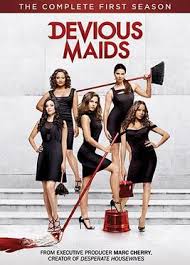
The context missing in these examples of media is the perspective of the latina. Again, these stereotypes perpetuate harmful ideations of what the role of a latina is to begin with, minimizing our existence to a surface level character or domestic worker. These stereotypes and generalizations are harmful because they preserve a power imbalance of second class persons in society. This is ultimately a reflection of power imbalances that succeed in our country as a whole with minority groups and systemic racism.
For myself personally, these constructions are harmful as they have also reflected real interactions in my own life. These stereotypes that hypersexualize latinx women unfortunately cause dangerous or false situations and realities, and some of these experiences begin at extremely young ages. To have your existence essentially watered down to an object that can be the subject of abuse, a joke, or owned is a construction beyond harmful.
 gabrielle all the time
Leave a comment